ABOUT DMT
What is Dance Movement Therapy?
“Our moving bodies tell stories that speak of our experiences.”
— Suzi Tortora
What is DMT?
a holistic practice that integrates the emotional, cognitive, physical, and social aspects of self.
uses both verbal and non-verbal communication.
supports emotional expression, self-awareness, and healing through movement—valuing how you feel over how you move.
provides a safe, confidential, and non-judgmental space where movement becomes a tool for self-discovery and connection.
Sessions focus on improvisation and creative expression, using a strengths-based approach to support socialization, confidence, and emotional well-being.
There are no prescribed steps or right or wrong ways to move— offer a space to explore, express, and grow.
DMT can help with:
All mental health conditions, such as anxiety, depression, PTSD, addiction behavior, eating disorders, schizophrenia, psychoses, etc…
Trauma and abuse
Loss, transitional and life changes
Body image concerns, physical limitations, chronic pain
Relational, emotional and behavioral challenges
Autism, all learning disabilities
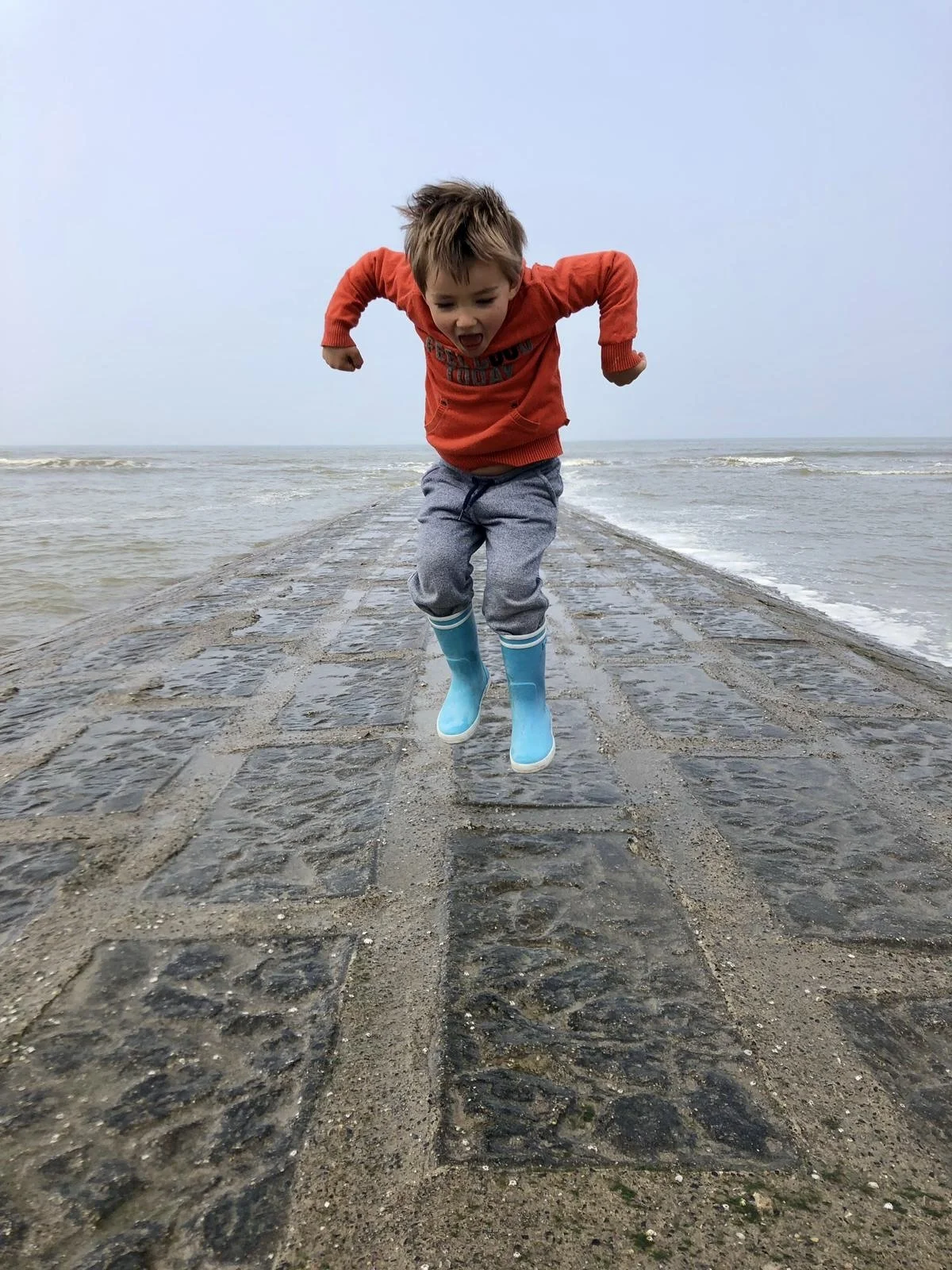
DMT is for:
Everyone!
no dance experience required! You don’t need any prior physical or artistic knowledge to benefit.
People of all ages, abilities, backgrounds, and cultures.
Individuals, groups, and teams.
Both public and private sectors, including healthcare, education, and community settings.
Multidisciplinary teams looking to integrate movement-based therapy into their practice.
DMT benefits:
Building confidence and self-expression
Encourages autonomy, self-esteem, and emotional awareness through movement.Enhancing overall well-being
Supports personal growth, communication, and social interaction skills.Developing emotional regulation tools
Helps manage overwhelming thoughts and feelings in a safe environment.Strengthening inner resources
Uses movement play to foster resilience and self-discovery.
Supporting trust and relationships
Provides a safe space to explore interpersonal connections.Encouraging healthy coping strategies
Bridges inner experiences with outer realities to promote balance and self-awareness.Facilitating meaningful change
Movement can lead to physical, emotional, and cognitive shifts by linking actions, feelings, and thoughts.
FAQs
-
There’s no right or wrong way to participate—your presence is enough. Sessions are a collaborative process where you’re free to explore movement as much or as little as you feel comfortable.
Each session typically includes:
A warm-up to ease into movement and connect with your body.
Theme exploration using props, images, music, or role play to support expression.
A check-out with space for verbal and non-verbal reflection.
Through creative movement, you may uncover powerful emotions, gain new insights, and deepen your self-awareness in a safe and supportive space.
-
DMT is not a dance class—its focus lies in exploring movement as a response to your inner experiences and emotions.
-
I am trained at a Master's level in psychotherapy, equipping me to safely and skillfully support clients in exploring complex and sometimes challenging emotional material. While psychotherapy can involve creativity and moments of joy, it also requires deep personal work. In contrast, therapeutic dance often has different goals—such as enjoyment, self-expression, or creating a final performance or product—rather than delving into the psychotherapeutic process.
-
No! DMT is adaptable to all abilities and mobility levels. It’s about personal expression, not performance.
-
Comfortable clothing that allows you to move freely. Shoes are not required unless needed for support.
-
While I do provide receipts upon request, currently the QACAT and the DMTAC are actively collaborating with the Office des professions du Québec to secure professional order recognition for creative arts therapists. Until this process is complete, I am unfortunately unable to issue insurance receipts.
Interested in learning more?
Schedule a free 15-min. consultation.
Find out how DMT can support you.
I acknowledge that I live and practice on the unceded lands of the Kanien’kehá:ka Nation, known as Tiohtiá:ke/Mooniyang. I honor the past, present, and future caretakers of this land.